
 Controllers
 Sensors
 Valves
 Sprays/Nozzles
 Rotors
 Super Blue Flex
 Enhancements
Rain Master
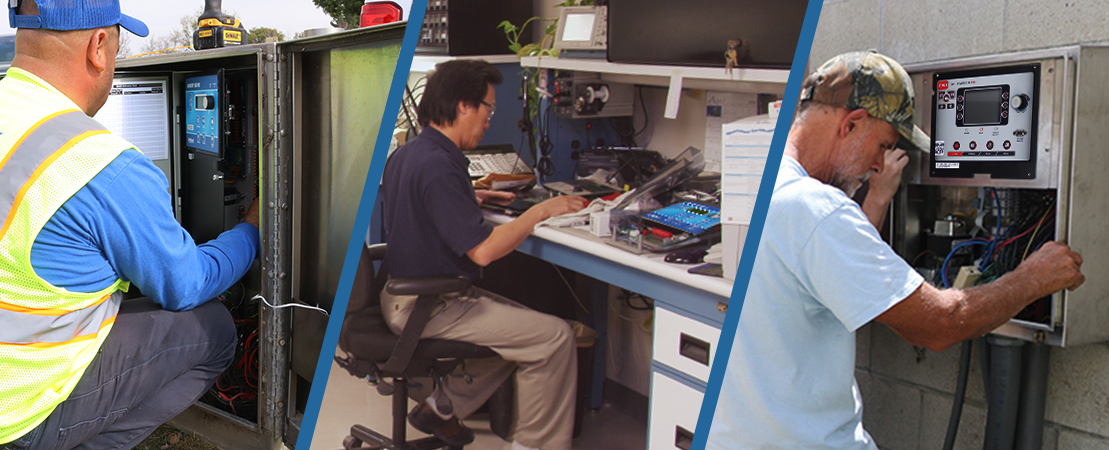

Free factory support is available during normal business hours 7:30AM to 4:00PM PST by dialing 1(800) 777-1477.
Rain Master has a team of support personnel to answer any questions with regard to the usage of all Rain Master products.
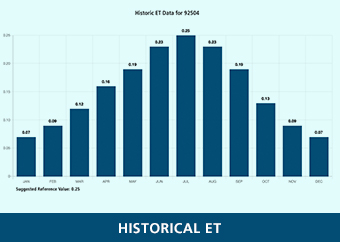
The Toro Weather Service has compiled historical Evapotranspiration data for every zip code in the United States. The weather information used to derive this historic information has been obtained from nationally recognized weather station and observation systems. The weather information was averaged over the last several years and ET values are then generated for each month of the year. This information is used with any Rain Master branded controller that supports ET adjustments including Toro® DXi.
Historical ET
Excluding software and products formerly produced under the Rain Master® brand name, Irritrol® offers the following coverage to its trade customers:
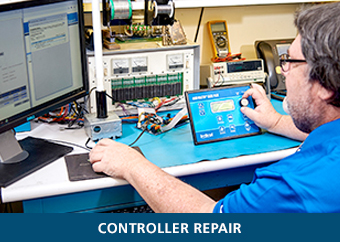
For the first year from the date of original sale to the trade customer, product may be exchanged "hassle free" over-the-counter, should it have original manufacturing defects. For years two through five from the date of original sale to the trade customer, all parts which are found to have original manufacturing defects, shall be repaired or replaced (Rain Master's choice), provided the product is returned to the original place of purchase or sent to the Rain Master Controller Repair facility at 5825 Jasmine St, Riverside CA 92504, postage paid.
All Rain Master Controllers and iCentral™ iCards, excluding iCentral upgrade kits, have a 5-year warranty; all other Rain Master products and accessories have a 2-year warranty.
Rain Master Laguna™ Software packages have a 90-day warranty. All computer hardware purchased from Rain Master in conjunction with its PC related software is NOT covered by any Rain Master warranty. Computer hardware and the installed operating system(s) is specifically covered by the hardware manufacturer's warranty as provided by the hardware manufacturer.
This warranty does not apply to loss or damage to the product due to improper installation, abuse, alteration, mishandling, accident, or if the product has been serviced by other than Rain Master or its authorized service centers. This warranty is not a consumer warranty and does not extend to anyone other than those trade customers who purchase Rain Master products.
NOTE: Irritrol is not liable for (i) failure of products not manufactured by Irritrol even though such products may be sold or used in conjunction with Irritrol products; (ii) indirect, incidental or consequential damages, including but not limited to vegetation loss during periods of malfunction or resulting non-use; (iii) any loss or damage (e.g., property damage) resulting from an installer negligence; or (iv) implied warranties of merchantability or fitness for a particular purpose. Some states do not allow the exclusion of incidental or consequential damages, so the above exclusion may not apply to you.
In no event shall Rain Master be liable or in any way responsible for any damages or defects in the product which were caused by repairs or attempted repairs performed by anyone other than an authorized Rain Master/Service dealer or center.
This warranty supersedes all previous warranties and shall be the sole and exclusive warranty granted by Rain Master and shall be the sole and exclusive remedy available to the trade customer. Correction of defects, in the manner and period of time described herein, shall constitute complete fulfillment of all liabilities and responsibilities of Rain Master to the trade customer with respect to the product, and shall constitute full satisfaction of all claims, whether based on contract, negligence, strict liability or otherwise.
NOTE: The user is cautioned that changes and modifications made to the equipment without the express written consent of the manufacturer will void this warranty.
Service: Irritrol® Technical Services: 1-800-634-8873
Irritrol® Controller Repair: 1-800-899-2058
Rain Master® Control Systems: 1-800-777-1477
Live remote assistance:
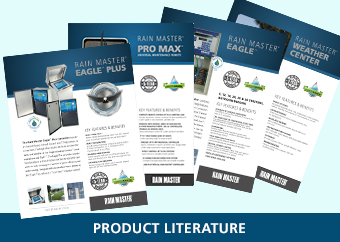
Online HelpPRODUCT LITERATURE
This section of our Website offers you immediate access to our entire collection of product literature. Available in PDF format, all of our product sheets can be quickly downloaded by simply clicking on the product name. You can either save the file for future reference or print-color copy.
MARKETING SUPPORT
Dress up your sales counters and showrooms with Irritrol’s in-store merchandising materials. To order our newest banners, posters, doormats, bar stools, and more.